
- Home
- Residential
- Termite Treatment
Termite treatment and white ant control
Southern Pest Co treats active termites ("white ants") in Sutherland Shire and St George homes using direct colony treatment, chemical soil barriers and baiting systems. Costs typically range from $1,000 to $5,000+ depending on the home and treatment type — we inspect first, then quote exactly. Chemical barriers provide at least 3–5 years’ protection (CSIRO).
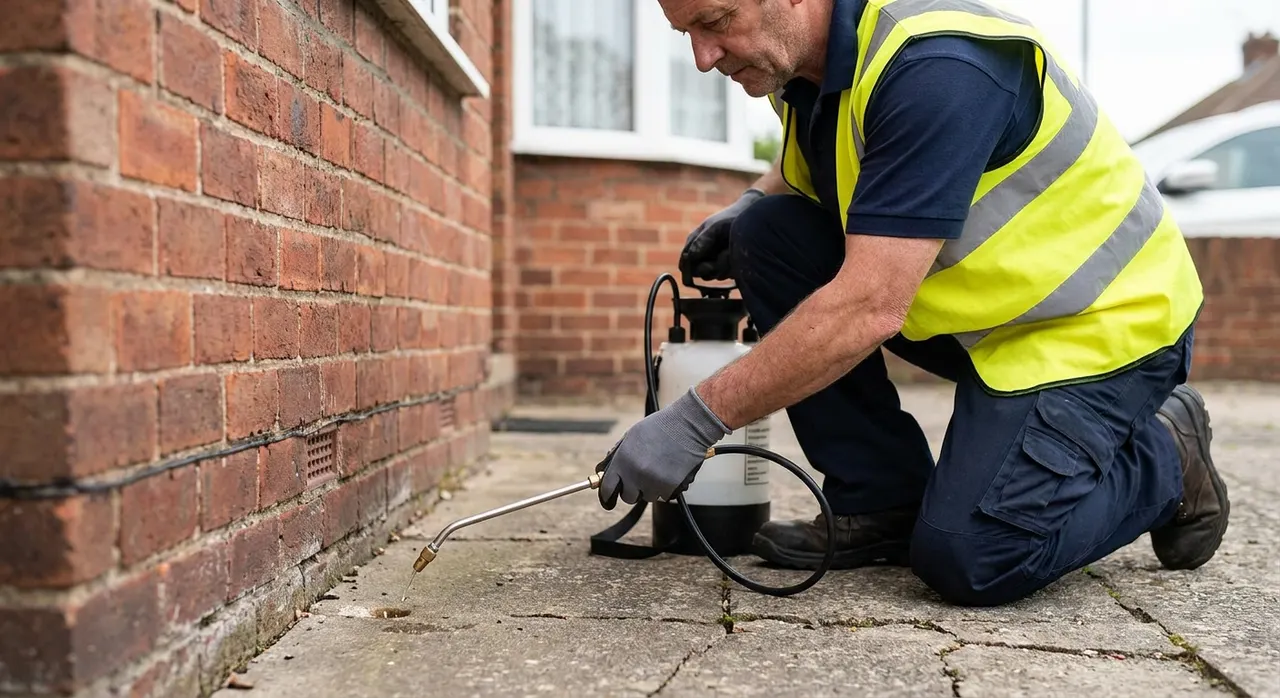
White ants vs termites — the same pest
"White ants" and termites are the same insect. There's no separate creature called a white ant — it's the old Australian name for termites, and it stuck. They're not really ants either; they're more closely related to cockroaches. The name doesn't change the treatment. If someone tells you they've got white ants in the skirting boards, they've got termites, and it needs the same professional response.
How we treat termites
Every job starts with an inspection so we know the species, the extent, and where the colony is working. Subterranean termites are the ones that matter in Australia. CSIRO counts more than 350 termite species here, but only about 20 damage buildings, and the subterranean species do most of it. Once we've confirmed active termites, we usually treat in two stages: direct treatment of the workings we can reach — applying a product the termites carry back to the nest — followed by a chemical soil barrier or an in-ground baiting system to deal with the colony and protect the building going forward. We explain which approach suits your home before any work starts.
How much does termite treatment cost?
Termite treatment typically runs from $1,000 to $5,000 or more. The range is wide because the job varies so much: a full chemical soil barrier around a large home with a deep subfloor is a very different amount of work to a targeted treatment of a single active area. Cost depends on the size and construction of the building, how much of the perimeter needs trenching or drilling, the treatment type, and whether a baiting system is installed and monitored. We don't quote termite work over the phone — we inspect first, then give you a fixed price. Our cost guide sets our prices next to the market range.
Chemical barriers vs baiting systems
The two main approaches solve the problem in different ways.
| Chemical soil barrier | Baiting system | |
|---|---|---|
| How it works | A treated zone in the soil around the building; termites passing through pick up the product and carry it back to the colony. | In-ground stations around the property hold a bait the termites feed on and share through the colony, aiming to knock the whole colony out. |
| Protection | At least 3–5 years, per CSIRO, for registered soil insecticides. | Ongoing while stations are monitored and refilled. |
| Best when | You want reliable, long-lived perimeter protection. | A full barrier is impractical, or you want ongoing colony monitoring. |
Plenty of homes end up with a combination of the two. We'll tell you honestly which makes sense for your block rather than pushing one system.
Found termites? Do this first
Leave them alone. Don't spray them with fly spray or a hardware-store product, don't break open the damaged timber, and don't knock down the mud tubes. Termites react to disturbance by sealing off and relocating within the building, which spreads the problem and makes the colony harder to treat. If you've already exposed them, cover them back over, note where they are, and call us. An inspection tells us where the colony is heading, and undisturbed workings give us the best shot at treating it at the source.
Termite protection for new builds and renovations
Building or renovating is the cheapest time to protect against termites, because the barrier goes in before the slab and landscaping are finished. New work is covered by AS 3660.1. If you're adding an extension, a deck or a granny flat, the new structure needs its own protection tied into the existing home. CSIRO also notes the National Construction Code requires a notice stating the termite management system installed to be displayed in a prominent place — usually inside the meter box — so a future owner or inspector knows what's protecting the building.
Every treatment starts with an inspection. Book a termite inspection from $249, and we'll quote any treatment from there. We work right across the bushland suburbs — Menai, Engadine and Sutherland — where termite pressure is highest.
Frequently asked questions
How much does termite treatment cost?
Termite treatment typically runs from $1,000 to $5,000 or more. The range is wide because the job varies — a full chemical soil barrier around a large home is very different work to a targeted treatment of one active area. We don’t quote termite work over the phone; we inspect first, then give you a fixed price.
What’s the difference between white ants and termites?
There’s no difference. "White ants" is the old Australian name for termites, and it stuck. They aren’t actually ants — they’re more closely related to cockroaches. The name doesn’t change anything about the pest or the treatment: white ants in your walls means termites, and it needs a professional response.
How long does a termite barrier last?
CSIRO notes that registered chemical soil-barrier insecticides provide at least three to five years of protection. Actual lifespan depends on the product, the soil, the site and whether the barrier is later disturbed by landscaping or building work. We tell you the expected protection period for your treatment before we start.
Can I treat termites myself?
Not effectively. DIY sprays kill the termites you can see but scatter the rest of the colony deeper into the building. The products that actually treat a colony are restricted to licensed technicians. Spraying active termites usually makes professional treatment harder, so it ends up costing you more, not less.
Does insurance cover termite damage?
Most Australian home insurance policies exclude termite damage. Insurers treat it as gradual and preventable rather than a sudden insured event, so repairs generally aren’t covered. That’s why regular inspections and an in-place barrier matter — they head off the damage insurance won’t pay for.
How soon can you get here?
If you’ve found live termites, call us and we’ll book an inspection as a priority, usually within a few days. Don’t disturb the termites in the meantime — leaving the workings intact gives us the best chance of treating the colony at its source rather than just scattering it.
Book an inspection first — every treatment starts with one
Same-week service across the Sutherland Shire and St George. If covered pests come back within the service warranty period, so do we — at no charge.