
- Home
- Residential
- Ant Control
Ant control that treats the nest, not the trail
Southern Pest Co treats ant infestations at the source — the nest — in Sutherland Shire and St George homes from $189. Surface sprays only move the trails around; we use transfer baits and targeted treatments so the whole colony dies, backed by our Return & Re-treat Guarantee.
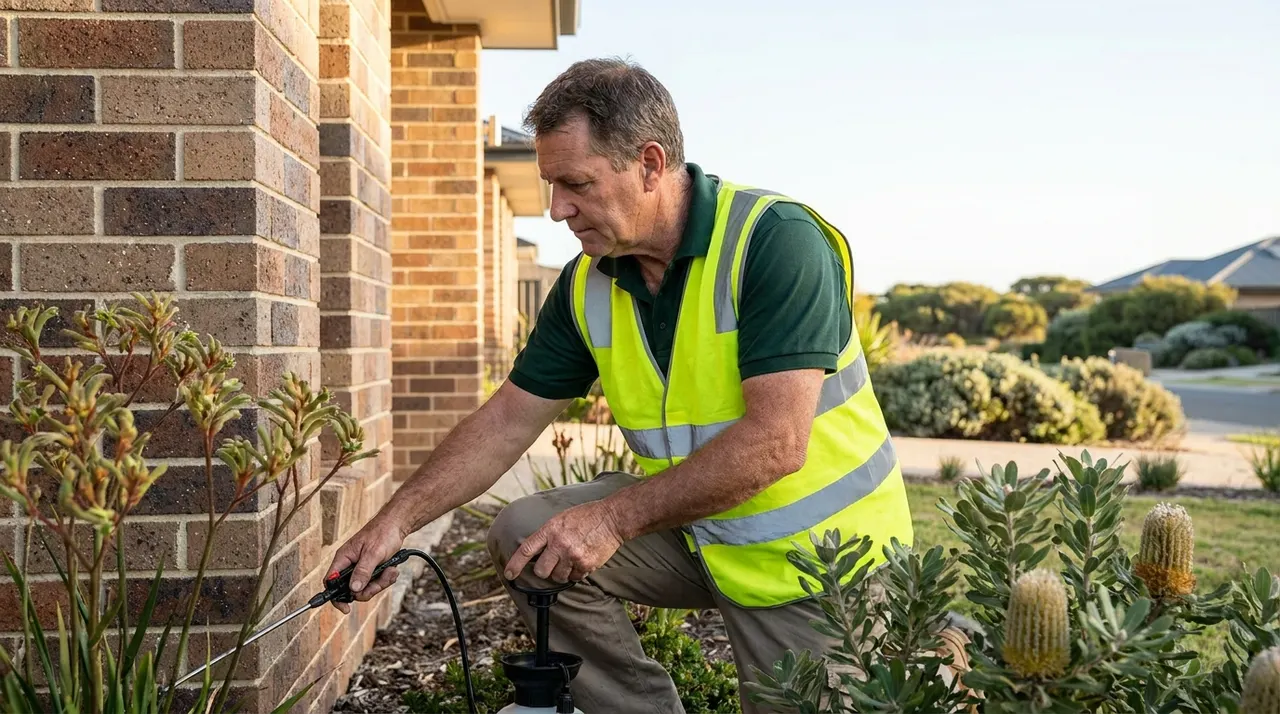
Why DIY ant killer makes it worse
Surface sprays and ant killers from the supermarket kill the ants on the trail and leave the nest untouched. Worse, with several common species, spraying triggers "budding" — the colony splits and sets up satellite nests to escape the threat, so one trail becomes three. You knock the visible ants down for a day or two, then they're back in more places than before. Coastal brown ants, one of the most common around here, are especially quick to do this. Trails are just the supply line. Unless the treatment reaches the nest and the queen, the colony keeps producing, and the foragers you see are only a fraction of what's actually there.
Common ants in Southern Sydney homes
Black house ants
Small, shiny black, the ones marching across the kitchen bench and into the pantry. They nest in wall cavities, under paths and in garden beds, and they're after food and moisture.
Coastal brown ants
Small and light brown, they leave little piles of excavated soil between pavers and along path edges — a giveaway. Common right through the Shire and St George. They bud readily, which is exactly why spraying spreads them.
Sugar ants
Larger, often orange-brown and black, and mostly a night-time forager drawn to sweet food. They nest outdoors in soil and under logs, then trail inside to the pantry and the bin. More of a nuisance indoors than a structural worry, but a persistent one once a trail is established.
Green-head ants
Metallic green-black, usually outdoors in lawns and gardens. These ones sting, and it hurts — a sharp, burning sting rather than a bite. If you're getting stung in the backyard barefoot, green-heads are a likely culprit, and their stings can trigger a reaction in people who are sensitive to them.
How we treat ants — and what it costs
Ant control starts from $189 for a standard home. We identify the species first, because the bait and the approach change depending on what you've got — a sweet-feeding sugar ant and a protein-feeding coastal brown want different things. We follow the trails back toward the nest, and use transfer baits the workers carry home to the colony, along with targeted treatment of nest sites and the entry points around the slab and weep holes. Because baits work with the colony's own behaviour instead of against it, they clear the nest rather than splitting it. It can take a little longer than a spray to see the trail disappear, but it stays gone, and we'll point out the moisture and food sources drawing them in so they're less likely to return. Every job is covered by our Return & Re-treat Guarantee.
Ants in kitchens, bathrooms and pavers
Ants come inside for two things: food and water. Kitchens draw them to crumbs, spills and the pantry; bathrooms and laundries draw them to moisture. Timing plays a part too — colonies often push indoors after heavy rain floods their nests, and again in the peak of summer when it's dry outside. Outside, the colonies often sit under pavers, driveways and along the house slab, then follow the warm edge of the building in through weep holes and gaps. We treat the inside trails and, just as importantly, the outside nests and the perimeter they cross, so you're not clearing the kitchen while the colony sits happily under the patio.
We treat homes across Sylvania and Sans Souci, where damp ground near the water keeps ant pressure up, and everywhere in between. Dealing with cockroaches or spiders on the same visit? We handle them together on the one job, so you're not paying for two call-outs.
Frequently asked questions
How do I get rid of ants in the house?
Treat the nest, not the trail. Surface sprays clear the ants you can see and leave the colony, which just sends out new trails. We identify the species, follow the trails back, and use transfer baits the workers carry home to the queen so the colony dies rather than splitting. Keeping food sealed helps too.
Why do ants keep coming back?
Because the nest is still there. Spraying a trail kills foragers but not the colony, and with several common species it triggers "budding" — the nest splits into satellites to escape the threat, so one trail becomes three. Until the treatment reaches the nest and the queen, the ants keep coming.
What’s a natural way to get rid of ants — does it work?
Wiping trails with vinegar or soapy water removes the scent trail and helps short-term, and sealed food and clean benches make a home less attractive. But home remedies don’t reach the nest, so they manage the symptom rather than clearing an established colony. Transfer baits treat the source.
Do ants bite?
Some do. Green-head ants deliver a sharp, burning sting that can welt up, and bull ants (more a bush-edge visitor) sting hard too. The common black house and sugar ants around the kitchen don’t really bite people — they’re a nuisance, not a health risk. Stings can trigger allergies in a small number of people.
How long until the ants are gone after treatment?
With baiting you’ll usually see the trail thin out over a few days to a couple of weeks as the workers carry bait back and the colony declines. It’s slower than a spray on purpose — baits clear the nest instead of just the visible ants, so the result lasts.
Book an ant treatment
Same-week service across the Sutherland Shire and St George. If covered pests come back within the service warranty period, so do we — at no charge.