
- Home
- Residential
- Rodent Control
Rodent control — rats and mice, gone and kept out
Southern Pest Co removes rats and mice from Sutherland Shire and St George homes with secured baiting, trapping and entry-point proofing, from $210 including a follow-up visit. Scratching in the walls or ceiling at night is most often roof rats — common near rail corridors and bushland right across Southern Sydney.
What's scratching in your walls or roof?
The call we get most often starts the same way: a scratching or scurrying noise in the ceiling after dark, right when the house goes quiet. Nine times out of ten that is roof rats — agile climbers that nest in roof voids, wall cavities and the tops of cupboards. Mice make a lighter, faster patter and tend to stay lower, in the kitchen and laundry. A heavier, slower thump with the odd growl is usually a possum, and possums are a protected native animal in NSW. We do not bait or remove them; if that is what we find, we will tell you and point you to a licensed possum handler.
Knowing which animal you have got changes the whole approach, so the first thing we do is work out what is actually up there before anything goes down.
Roof rats, sewer rats and mice
Three rodents turn up in Southern Sydney homes, and each leaves its own calling card.
Roof rats (black rats) are the climbers. Slim, dark and long-tailed, they come in along fences, powerlines and overhanging branches and settle high in the roof. Their droppings are small and spindle-shaped. If the noise is above you, this is almost always the culprit.
Sewer rats (brown rats) are bigger and heavier, and they stay low — subfloors, drains, compost heaps and under decking. Their droppings are fatter with blunt ends, and you will see runs along the ground and gnaw marks near pipes.
House mice are small, grey-brown and quick. They breed fast, so a couple can become a real problem in a few weeks. Their droppings are the size of a rice grain, scattered wherever they travel — usually the pantry, the back of drawers and behind the stove.
How we get rid of rats and mice
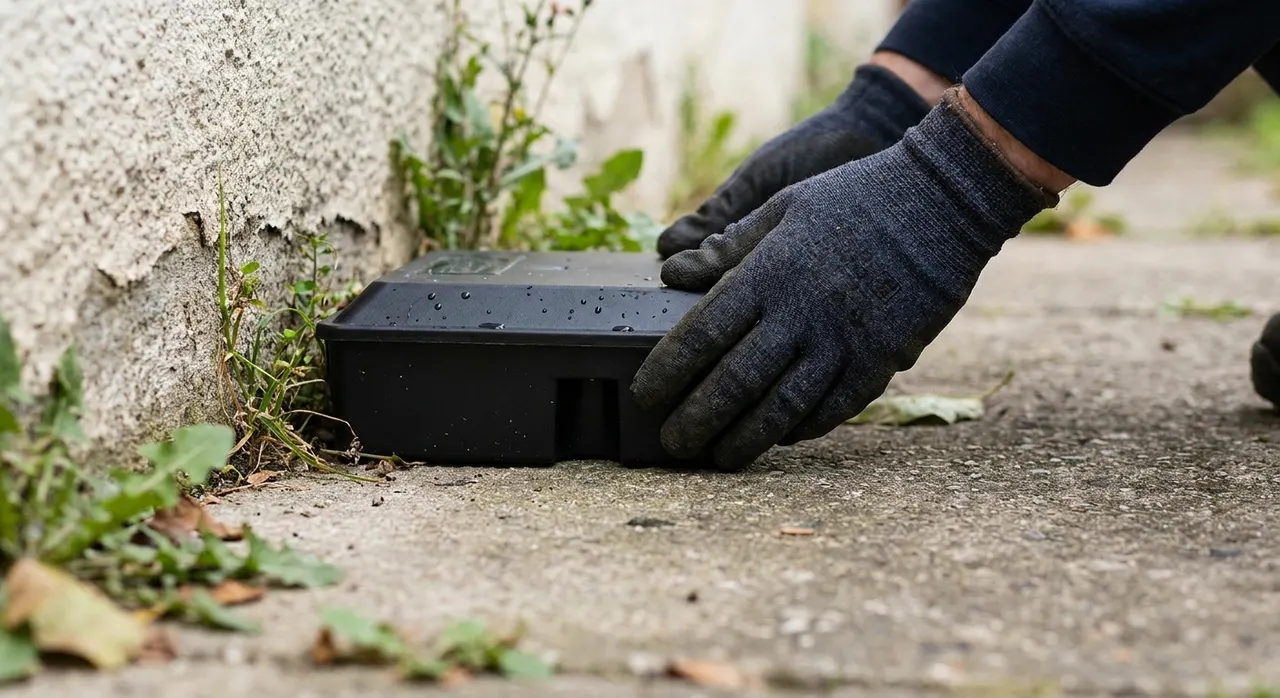
"Bait and leave" is why so many DIY jobs fail. Loose baits thrown in the roof get carried off, cached or ignored while the rats keep feeding on your rubbish and pet food. We work in three steps. First, secured bait stations on the active runs — locked, tamper-resistant, and placed where the rodents actually travel, not where they are easy to reach. Second, snap trapping where baiting is not suitable, such as a ceiling above a child's bedroom. Third — the part most operators skip — we find and seal the entry points: gaps around pipes, weep holes, torn vents, the space under a roller door. Block the road in and the problem stops coming back.
Pet-conscious baiting
If you have a dog, a cat, chooks or young kids, tell us when you book. We use lockable bait stations that keep the bait away from everything but the rodent, and we place them out of reach. We will also talk you through secondary poisoning honestly — a pet or a bird of prey eating a poisoned rat carries a small risk, so where that is a concern we lean harder on trapping and proofing. Always follow the product label and our technician's advice on the day. For more detail, see our guide to pet-safe pest control.
Price and what's included
Rodent control starts from $210 for a standard house, and that includes the initial treatment plus a follow-up visit to top up baits, clear traps and check the entry points held. Bigger properties, heavy infestations and extensive proofing work are quoted after we have had a look. Every job is backed by our Return & Re-treat Guarantee: if the rodents are back within the warranty period, so are we — free.
Rodents near rail lines, shops and bushland
Where you live shapes the pressure. Homes backing the rail corridor through Sutherland and around the Miranda shopping precinct cop rats travelling the lines and the strip's bins. Older brick-and-fibro streets in Rockdale give brown rats plenty of subfloor and drain to work with, and bush-edge homes get roof rats coming in straight off the tree line. It is the same treatment either way, but knowing the local pressure tells us where to look first. Rats are just as common in commercial and warehouse settings, where we run scheduled programs — and if there are wasps around the eaves while we are up there, we handle wasp nest removal too.
Frequently asked questions
How do I get rid of rats?
Get rid of rats by combining secured baiting on their runs, trapping where bait is not suitable, and sealing the entry points they use. Loose supermarket baits alone rarely work — rodents keep breeding while feeding elsewhere. Southern Pest Co treats, follows up, then proofs the home so they cannot simply return.
Is it rats or a possum in my roof?
A heavy, slow thump with the odd growl or scratch is usually a possum, not a rat. Possums are protected in NSW, so we do not bait or remove them — we identify what is there and refer you to a licensed handler. Fast, light scurrying overhead is far more likely roof rats.
Are rat baits safe with dogs and cats?
Used properly, yes. We place bait only in locked, tamper-resistant stations your dog or cat cannot open, kept out of reach. We will also discuss secondary-poisoning risk and lean on trapping where pets, chooks or wildlife make that safer. Always follow the product label and our technician’s advice.
How do rats get into a house?
Rats need a gap about the size of a 20-cent coin; mice need far less. They come in through weep holes, gaps around pipes and cables, torn vents, damaged roof tiles and the space under roller doors. Climbers use fences and branches to reach the roofline. We find these gaps and seal them.
How long does it take to get rid of them?
Most homes are clear within one to two weeks. Baiting takes a few days to knock the population down, and the follow-up visit confirms activity has stopped and tops up anything taken. Heavy infestations or hard-to-reach nests can take a little longer — we keep at it until it is sorted.
Do you block entry points too?
Yes — proofing is part of the job, not an upsell. After treatment we seal the entry points we can reach: weep holes, pipe gaps, vents and door gaps. Blocking the way in is what stops the next lot moving straight back into a warm, empty roof void.
Get a straight answer and a fixed quote
Same-week service across the Sutherland Shire and St George. If covered pests come back within the service warranty period, so do we — at no charge.