
- Home
- Commercial
- Strata & Body Corporate
Strata pest control for the Sutherland Shire & St George
Southern Pest Co provides strata pest control across the Sutherland Shire and St George — common-property treatments, garbage rooms, unit-block cockroach programs and annual termite inspections. We handle the resident notification NSW law requires (at least 5 working days before common-area pesticide use) and give you one clear report per scheme.
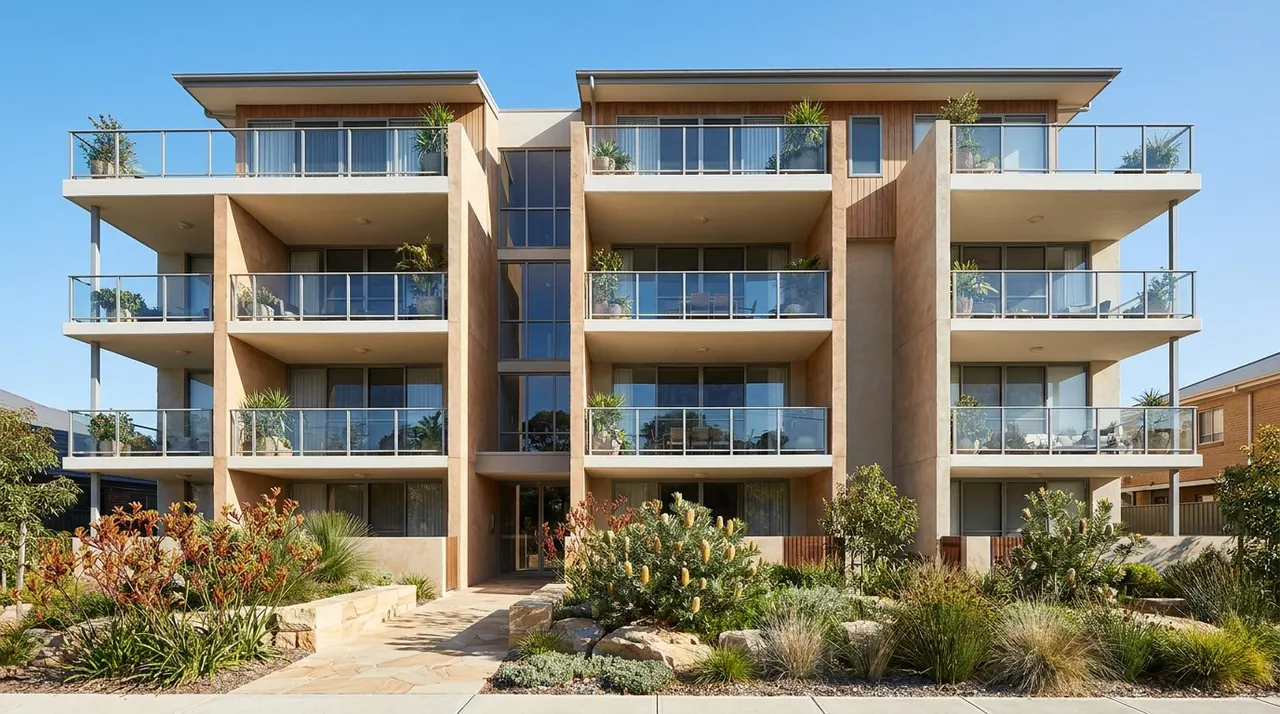
Who's responsible: owners corporation or lot owner?
The line runs between common property and lot property. Under section 106 of the Strata Schemes Management Act 2015 (NSW), the owners corporation has a duty to properly maintain and keep the common property in good, serviceable repair — and pest management of those shared areas falls inside that duty. Garbage rooms, basements and car parks, common gardens, roof spaces, external and structural walls, shared plumbing and slabs are all common property, so pests occupying or damaging them are the scheme's responsibility.
Where the problem is confined inside a single lot — the owner's own internal fixtures and finishes — it is generally the lot owner's responsibility, unless the scheme's by-laws or a special resolution say otherwise. That is the honest, workable rule for most schemes. For the grey areas — a cockroach infestation that clearly moves between units through shared voids, or termites tracking up a common wall into a lot — we identify what is affected and report it so the committee can allocate cost correctly. Ourguide to strata pest responsibility in NSWsets out the detail your committee can rely on.
What we handle for strata managers
We run the recurring work a residential scheme needs and the one-off jobs that land without warning. A standard strata program covers the areas pests actually use:
- Garbage rooms and bin bays — the single biggest cockroach and rodent driver in any block.
- Basements, car parks, plant rooms, risers and service ducts.
- Common gardens, retaining walls and fence lines for ants, wasps and rodent harbourage.
- Roof spaces and subfloors, and block-wide German cockroach programs where shared walls are involved.
- Annual termite inspections of the structure and grounds, with a written report for the scheme's records.
For managers running multiple schemes, we schedule buildings together so a technician covers several sites in a run, keeps a service history per scheme, and flags recurring problems — a bin room that needs a hygiene fix, a broken door seal letting rodents in — rather than just spraying and leaving.
Resident notification, done properly
Pesticide use in the common area of a residential strata complex triggers a legal notice requirement. Under the NSW Pesticides Regulation, whoever organises the treatment must give residents at least 5 working days' notice before application — delivered by letterbox, under-door, or notices on the main noticeboards and entrances, with an emergency exception. Applying pesticide to a common area without that notice carries an $800 on-the-spot penalty.
Most contractors leave that headache with the strata manager. We don't. We prepare the notice, state the product, the areas and the date, and distribute it in the required window, so the scheme meets its obligation without you drafting anything. It is exactly the kind of compliance admin a managing agent shouldn't have to carry, and it comes as standard.
Blocks we know: Cronulla to Kogarah
Southern Sydney is unit-block country, and each pocket has its own pressure. Cronulla is 72.5% apartments (2021 Census) — beachside blocks where salt-air damp and shared risers keep cockroach work steady. Kogarah is 71.2% flats, much of it around the hospital precinct. Rockdale sits at 69.5% flats and Hurstville at 61.4%, both with dense older walk-ups above busy food strips. We service these blocks week in, week out, so we already know how a 1970s walk-up plumbs its risers and where a garbage room vents — the detail that decides whether a cockroach program actually holds.
Whether the pressure is a beachside block inCronulla, an apartment tower inKogarah, a food-strip block inHurstville or a walk-up inRockdale, the program is built around how that building is actually laid out.
Reporting and billing built for strata
Committees and owners want evidence, not assurances. Every visit produces a written report — areas treated, products used, activity found, and recommendations — dated and filed so the scheme has a clean record to table at the AGM or hand to a new managing agent. Where a job needs a work order raised first, we work to it. Invoicing goes to whoever holds the account, with consolidated billing across a portfolio if you manage several schemes. Site inspections and quotes are free, and scheduled-program pricing is fixed for the term so there are no surprises on the ledger.
Every treatment is carried out by a technician holding a current NSW EPA pest management technician licence, and covered by our Return & Re-treat Guarantee: if covered pests come back within the warranty period, so do we — free.
Frequently asked questions
Is strata responsible for pest control in NSW?
For common property — garbage rooms, basements, gardens, roof spaces, external walls — yes. Section 106 of the Strata Schemes Management Act 2015 puts a duty on the owners corporation to maintain common property in good repair, and pest management sits inside that duty. Pests confined within a lot are generally the lot owner's responsibility, subject to the scheme's by-laws.
Who pays for termites in a strata building?
Termites almost always attack common property — structural walls, slabs, roof timbers and shared gardens — so treatment and repair usually fall to the owners corporation and are funded from strata levies. Damage confined to a lot owner's own fixtures can be their responsibility. We inspect, tell you exactly what is affected, and report it so the committee can allocate cost correctly.
What notice do residents need before spraying?
At least 5 working days. Under the NSW Pesticides Regulation, whoever organises pesticide use in the common area of a residential strata complex must notify residents beforehand — by letterbox, under-door or noticeboard. Applying pesticide to a common area without notice carries an $800 on-the-spot penalty. We prepare and distribute that notice for you.
Can one unit be treated, or does the whole block need it?
It depends on the pest. A wasp nest or a one-off rodent entry can be handled at a single unit. German cockroaches travel through shared walls, plumbing voids and risers, so treating one unit while its neighbours are infested rarely holds — a block-wide program works far better and we will tell you honestly which you need.
Do you work with managing agents or committees?
Both. We take instructions from the strata manager, the strata committee or a self-managed scheme, quote per scheme, and send one clear report and invoice to whoever holds the account. Portfolio managers get consolidated invoicing and priority scheduling across every building on their books.
Strata manager? Get a per-scheme proposal
Same-week service across the Sutherland Shire and St George. If covered pests come back within the service warranty period, so do we — at no charge.